
Code Violation in Santa Barbara: What to Do Next
Posted on August 11, 2026 by SB Permitting
Receiving a notice of violation in Santa Barbara is one of the most stressful things a homeowner can face. Whether it arrived because of a neighbor complaint, a contractor report, or something that surfaced during a real estate transaction, the instinct for many people is to set it aside and hope it resolves itself. It will not. Enforcement timelines in Santa Barbara are real, penalties escalate, and the longer a violation goes unaddressed the fewer options you have. Here is exactly what the notice means, what happens next, and what you should do immediately.
What a Notice of Violation Actually Is
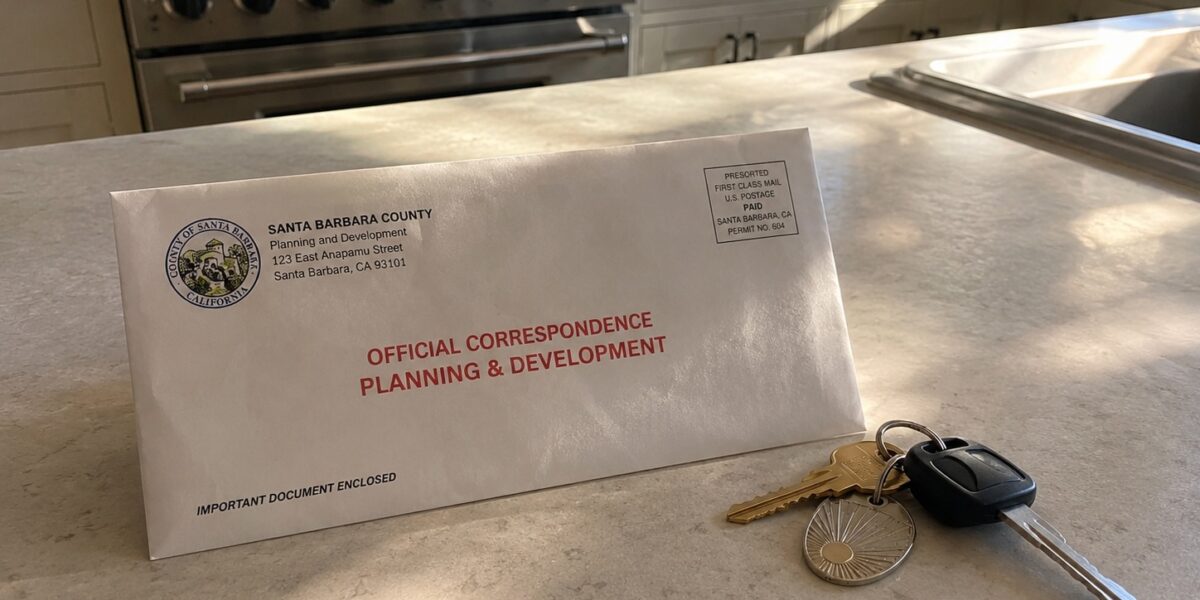
A notice of violation is an official written document from the City of Santa Barbara or Santa Barbara County informing you that a code violation exists on your property and giving you a deadline to correct it. Under the Santa Barbara County Code of Ordinances, the notice specifies the violation, requires that the conduct or condition be stopped immediately or that steps be taken to correct it, and sets a time period of not less than 30 days within which the violation must be abated.
The notice is not the beginning of the process — it is actually a later stage. Code enforcement staff generally respond within one business day of receiving a complaint, inspect the location to confirm it, and make contact with the property owner to inform them of the violation and how to correct it before a formal notice is issued. If compliance is not achieved after that initial contact, a Notice of Violation is mailed to the responsible party.
That means by the time the notice arrives in your mailbox, the City has already investigated and determined a violation exists. The notice is a formal escalation, not an opening inquiry.
The Most Common Reasons Homeowners Receive a Notice
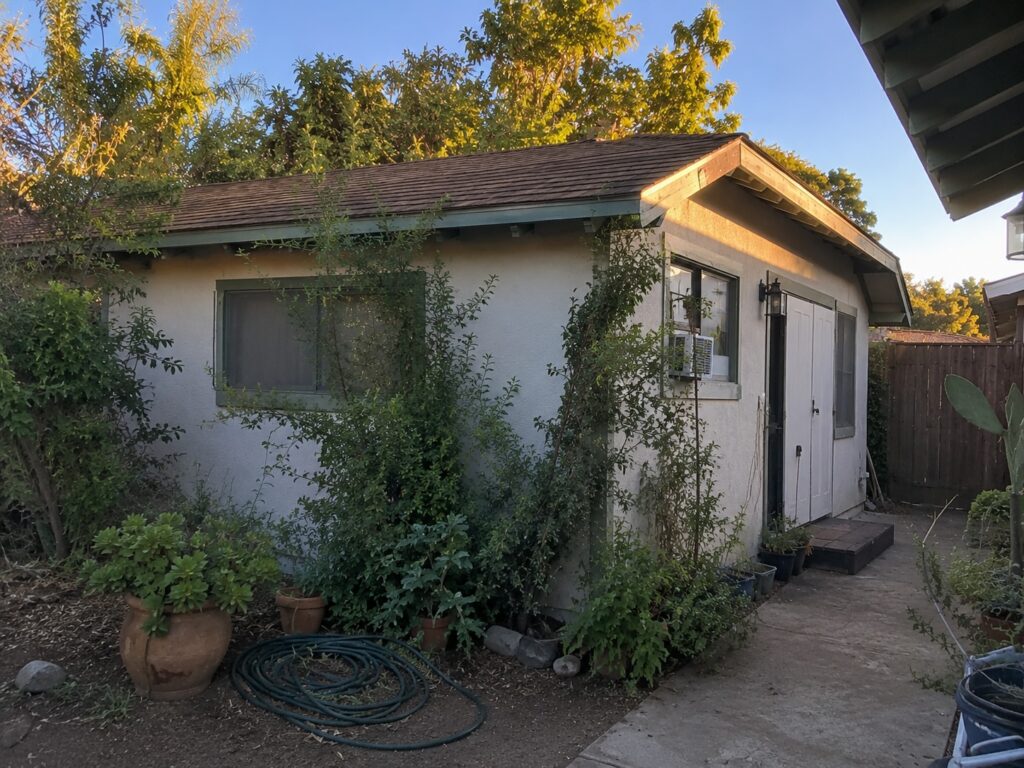
In Santa Barbara, the most common triggers for a notice of violation that SBP works with are:
Unpermitted construction. Additions, garage conversions, ADUs, or guesthouses built without permits are the most frequent source of notices. These often surface when a neighbor files a complaint or when a new owner discovers the work during a renovation.
Unpermitted ADUs or guesthouses. Units that have been rented without being permitted come to the City’s attention through tenant complaints, utility records, or reports from neighboring properties.
Real estate transactions. A buyer’s inspection or title search that reveals unpermitted work can trigger an enforcement referral. This is one of the most common ways enforcement cases open on properties with long standing unpermitted structures.
Neighbor complaints. Anonymous complaints are accepted by the City, though they are assigned a lower priority than complaints with an identified reporting party. Health and safety issues receive the highest priority regardless of whether they are submitted anonymously.
Ignoring a Notice of Violation in Santa Barbara Makes Things Worse
Ignoring a notice of violation is the worst decision a homeowner can make. Subsequent notices regarding the same or similar type of violation within any 12 month period may be cause for imposing additional administrative fines without warning. Beyond fines, unresolved violations can result in liens placed against your property, complications with homeowner’s insurance claims, and serious obstacles when you attempt to sell or refinance.
Notices of violation are appealable, and citations, once issued, are also appealable. But those appeal windows are narrow and time bound. Missing them by ignoring the notice eliminates options that would otherwise be available to you.
What to Do Immediately After Receiving a Notice
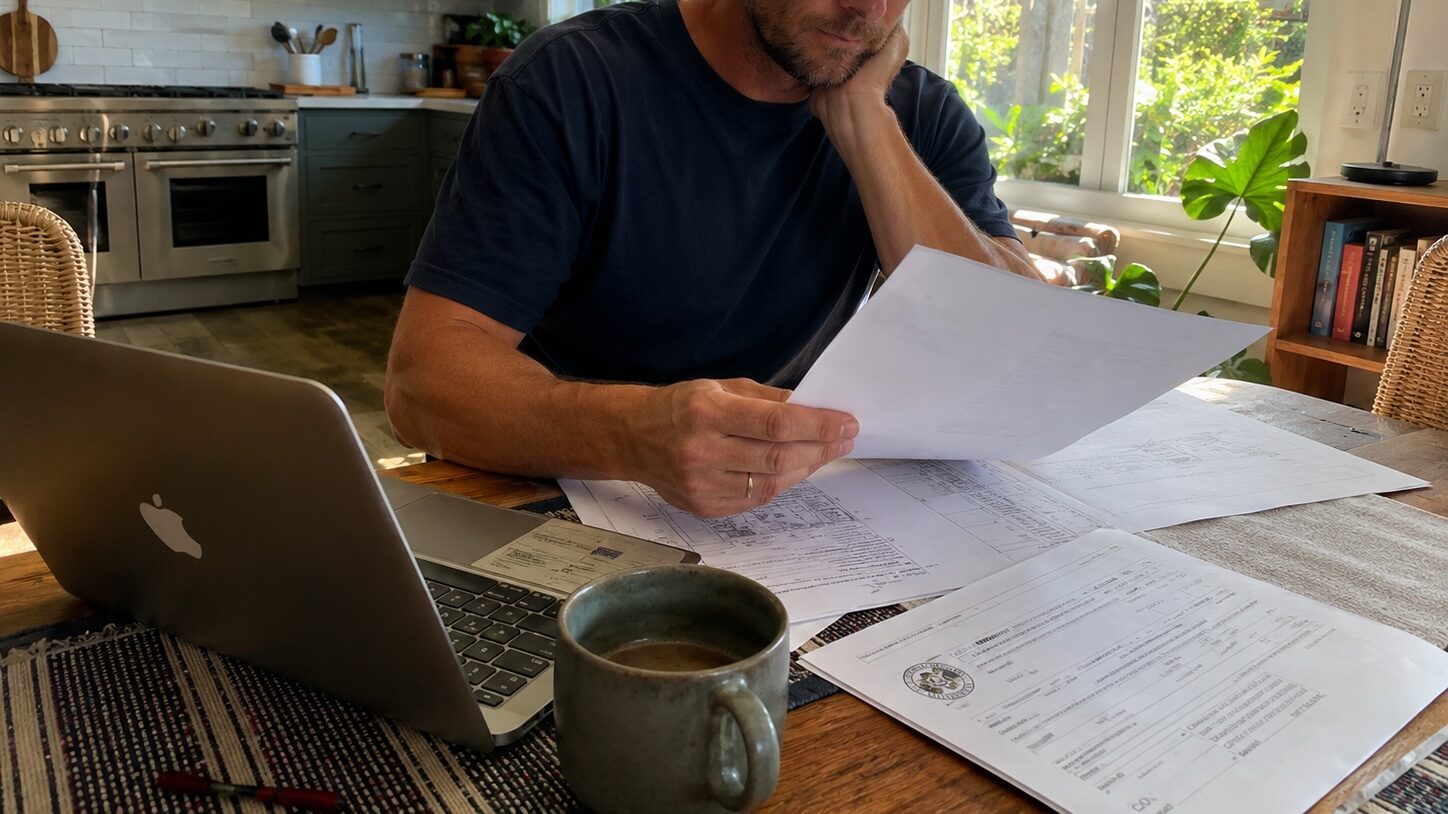
Read it carefully. Identify exactly which code sections are cited, what the specific violation is, and what the stated deadline is. These details determine which resolution pathway applies to your situation.
Do not respond to the enforcement agency on your own yet. Anything you say to code enforcement can affect your case. Before you make contact, understand your options and have a plan. An uninformed response can narrow your resolution options or accelerate the enforcement timeline unnecessarily.
Do not start unpermitted work to fix the problem. A common mistake is attempting to resolve an unpermitted structure violation by doing more unpermitted work. This compounds the problem and makes resolution significantly more difficult.
Get professional help immediately. The enforcement timeline is already running. Santa Barbara Permitting reviews notices of violation, assesses the cited code sections, inspects the property conditions, and advises on the best path forward before you respond to the enforcement agency. The initial consultation is free, and getting that picture early is the most valuable thing you can do in the first days after receiving a notice.
How to Resolve a Notice of Violation in Santa Barbara
Every enforcement case is different, but most resolutions in Santa Barbara follow one of a few paths depending on the nature of the violation.
Legalization. If the violation involves an unpermitted structure that can be brought into compliance, the resolution pathway is to permit and legalize the work. Depending on when it was built, laws like AB 2533 may offer a streamlined legalization process that avoids full current code compliance requirements.
Demolition or removal. In some cases, a structure cannot be feasibly legalized and must be removed. This is a last resort and far less common than legalization, but it is a realistic outcome for certain types of violations.
Alternative compliance strategies. Some violations have resolution pathways that do not require full legalization or demolition. These require knowledge of the specific code sections cited and the enforcement agency’s requirements, which is exactly what an experienced permit expediter brings to the process.
Santa Barbara Permitting manages the full resolution process on your behalf — assessing your options, developing a compliance plan, communicating directly with enforcement officers, and managing all permitting, documentation, and inspections required to close the case. You can read more about how that process works on our code compliance services page.
The Bottom Line: Act Quickly
A notice of violation in Santa Barbara is not a suggestion. The clock starts running the day it is issued, and the options available to you narrow as time passes. The homeowners who resolve enforcement cases most efficiently are the ones who get professional guidance immediately rather than waiting to see what happens next.
Santa Barbara Permitting offers free consultations for homeowners who have received a notice of violation. We will review the notice, assess your situation, and give you a clear picture of your options before you respond to the City. Reach out today.