
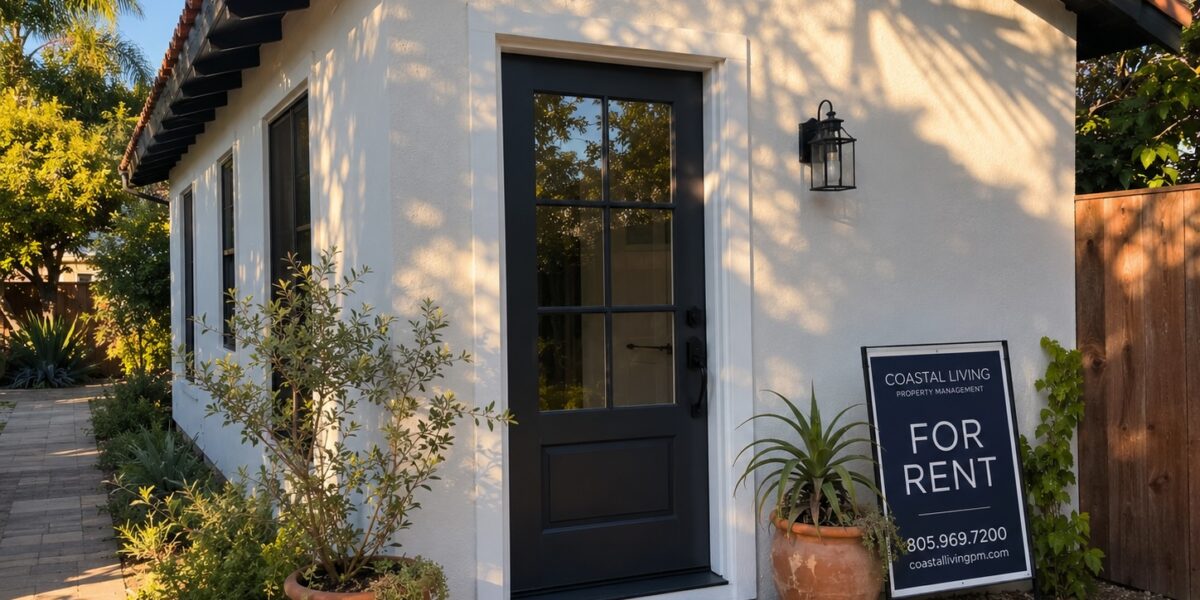
Can You Rent Out Your ADU in Santa Barbara? What to Know
Posted on July 28, 2026 by SB Permitting
One of the most common questions homeowners ask after building or legalizing an accessory dwelling unit is whether they can rent it out. The short answer is yes — with conditions. The ability to rent out your ADU in Santa Barbara is one of the biggest financial draws of adding a secondary unit, and it is allowed under both state and local law, but there are meaningful rules around how you can rent it, how long the lease must be, and what changes depending on whether you have an ADU or a junior accessory dwelling unit. Here is what you need to know before you list.
Can You Rent Out Your ADU in Santa Barbara Long Term?
Properties with an accessory dwelling unit or a junior accessory dwelling unit may not be rented for less than 31 consecutive days. That rule applies to both the ADU and the primary residence on the same property. If your property has an additional dwelling unit of any kind, neither unit can be used as a short term vacation rental.
This is one of the most misunderstood rules in Santa Barbara ADU law. Homeowners occasionally assume that because an ADU is a separate unit, it can be listed independently on short term rental platforms. It cannot. The 31 day minimum applies to the entire property once an accessory dwelling unit exists on the lot.
Short term rentals in Santa Barbara are classified as a commercial use — the same category as hotels — and are only permitted in specific commercial zones. Single family residential zones, where the vast majority of accessory dwelling units are built, do not qualify.
Owner Occupancy: ADU vs JADU
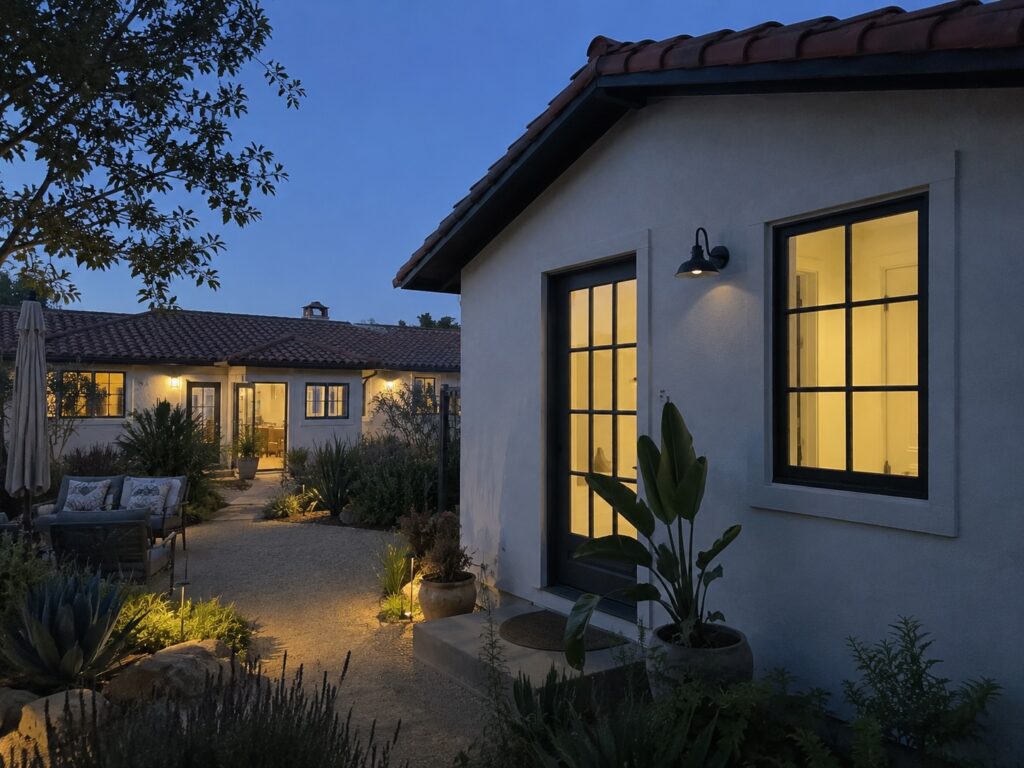
The owner occupancy rules are different depending on which type of unit you have.
For a standard ADU, owner occupancy is not required on any new ADU covenants. That means you can rent out both the primary residence and the accessory dwelling unit simultaneously without living on the property yourself. This is a significant advantage for investors and homeowners who want maximum flexibility from their additional dwelling unit.
For a junior accessory dwelling unit, the rule is stricter. If you are proposing a Junior ADU, the property owner must still reside in either the primary residential unit or the JADU. As long as a JADU exists on the property, owner occupancy is required. You can rent the JADU out to a tenant, but you must live in the main home. You cannot rent both units simultaneously while living elsewhere.
If you have an existing ADU covenant recorded before January 1, 2020 that includes an owner occupancy requirement, the property owner may request the existing owner occupancy provision be removed by submitting the ADU Covenant Request Form through the City of Santa Barbara. The process can take several months due to staff resources, but it is worth pursuing if you have an older covenant limiting your rental options.
What the City Actually Enforces
Santa Barbara’s approach to ADU rental enforcement is worth understanding practically. The City does not proactively enforce short term rental complaints related to tenant behavior or nuisance conditions on properties that have an ADU or JADU. However, the City does actively enforce failure to obtain a business tax certificate and compliance with Transient Occupancy Tax requirements for any permitted short term rental operation.
In plain terms: operating an accessory dwelling unit as a short term rental in a residential zone is not permitted, and the financial compliance side of that prohibition is enforced. Homeowners who list their ADU on short term rental platforms in violation of the 31 day rule face real regulatory and tax exposure.
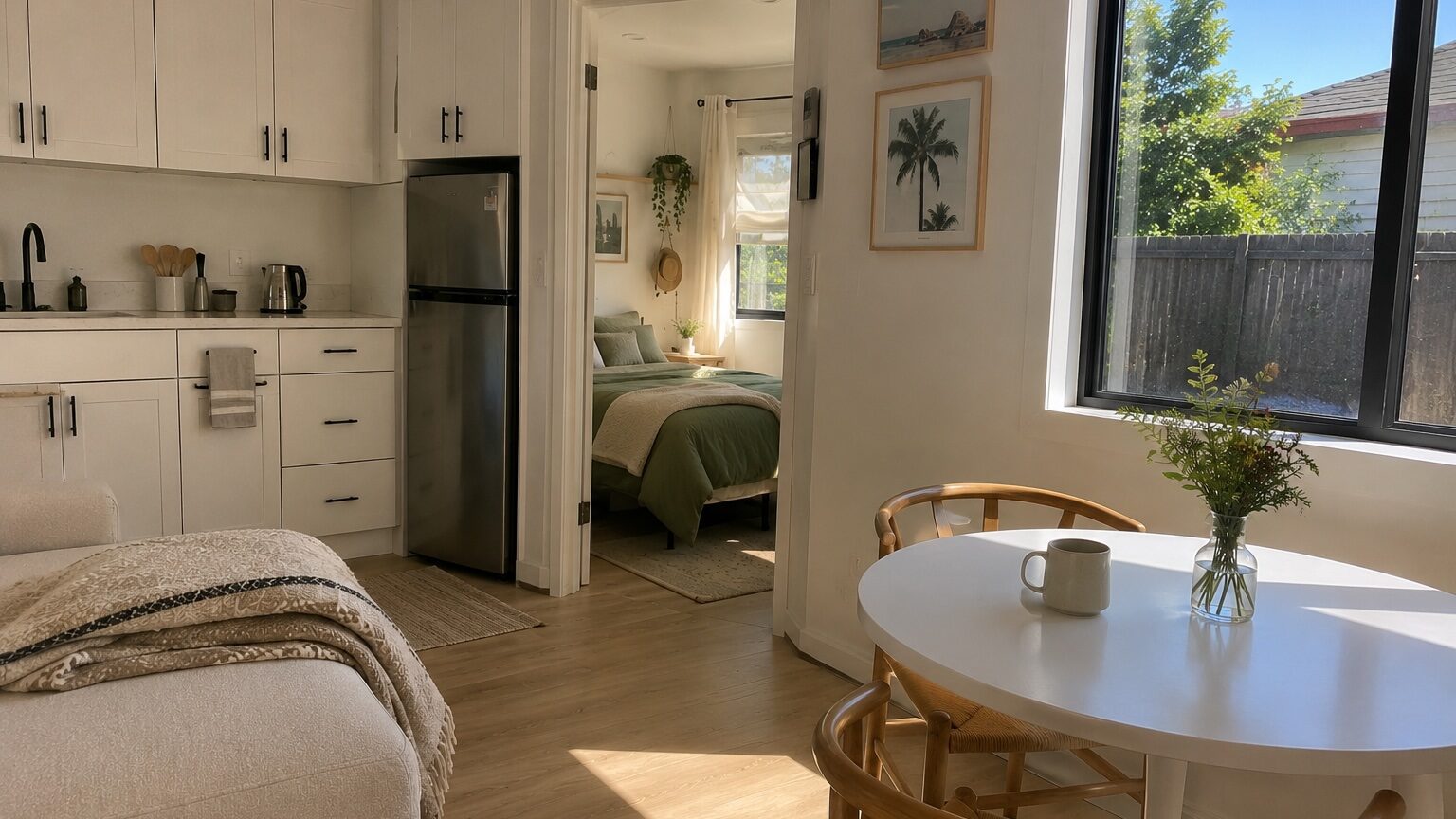
The safest and most financially rewarding path for most Santa Barbara ADU owners is a standard long term lease. Detached accessory dwelling units in Santa Barbara command approximately $2,500 in monthly rent, a $600 premium over attached units. At that rate, a long term lease on a detached additional dwelling unit generates $30,000 per year in gross rental income without the operational complexity of short term rental management or the regulatory risk of violating the 31 day rule.
Coastal Zone Properties: One Additional Step
If your property falls within the California Coastal Zone, there is one more layer to be aware of. For short term vacation rentals in the coastal zone, contact the City Finance Department to begin the Business Tax Certificate and Transient Occupancy Tax registration process. While short term rentals on properties with accessory dwelling units are still prohibited, coastal zone property owners considering any rental configuration should confirm their specific situation with the City before proceeding.
Ready to Rent Out Your ADU in Santa Barbara?
Whether you are building a new accessory dwelling unit, converting a garage, or legalizing an existing unpermitted structure, the path to legally renting it out starts with a permitted unit. An unpermitted additional dwelling unit cannot be legally advertised for rent, creates liability exposure for the landlord, and will surface as a problem during any real estate transaction.
If your unit is already permitted and you are ready to rent, the 31 day minimum and any applicable owner occupancy requirements are the two rules to keep front of mind. If your unit is not yet permitted, our ADU permitting services and AB 2533 legalization pathway cover both scenarios. Schedule a free consultation and we will walk through which path applies to your property.