
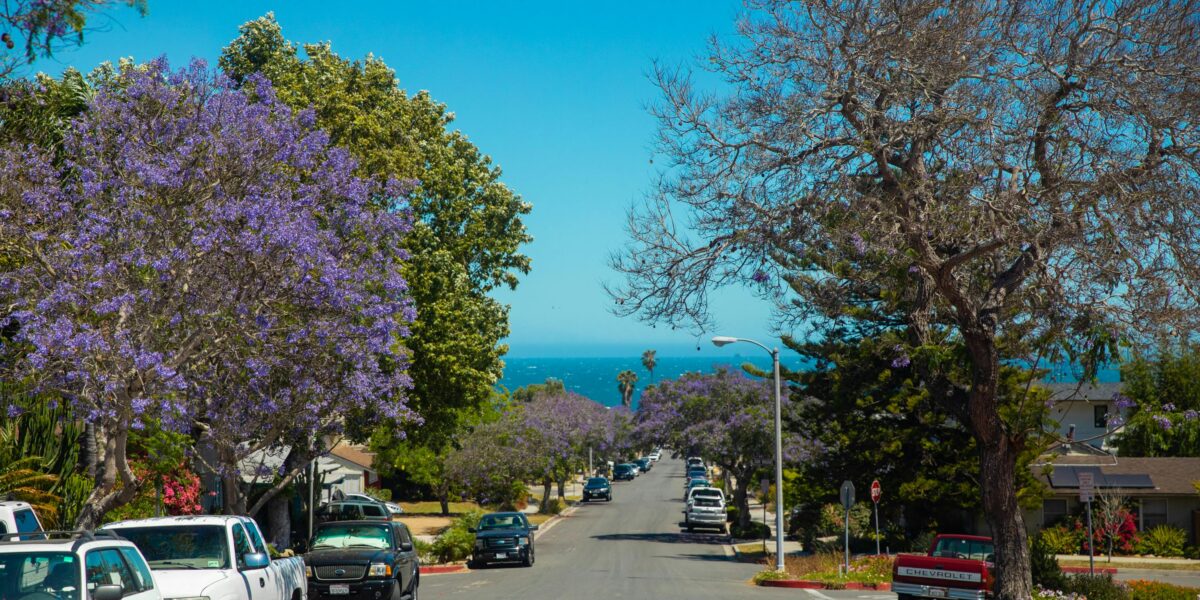
SB 1123: How to Build Up to 10 Homes on a Single Vacant Lot in Santa Barbara
Posted on May 19, 2026 by SB Permitting
If you own a vacant lot in a Santa Barbara single-family neighborhood, a new state law may have just changed what that land is worth. This law, which took full effect on July 1, 2025, allows property owners to subdivide a single vacant parcel into up to 10 individual lots and build a home on each one, without a public hearing, without CEQA review, and without most of the local restrictions that have historically made infill development impractical.
This is not a loophole or a workaround. It is state law, and it overrides local discretion.
What SB 1123 Does for Santa Barbara Property Owners
SB 1123 builds on SB 684, a 2023 California law that streamlined the approval process for small subdivisions in multifamily zones. SB 1123 extends that same fast-track pathway to vacant lots in single-family residential zones, the type of land that makes up most of Santa Barbara’s residential neighborhoods.
Under the law, a qualifying project is approved ministerially. That means if your application meets the objective requirements, the city or county must approve it. No planning commission vote. No neighbor appeals. No discretionary review. The local agency has 60 days to act, and if they do not, the application is automatically deemed approved.
The projects are also fully exempt from CEQA, which alone eliminates one of the most common and costly sources of delay in California development.
What the Development Standards Look Like
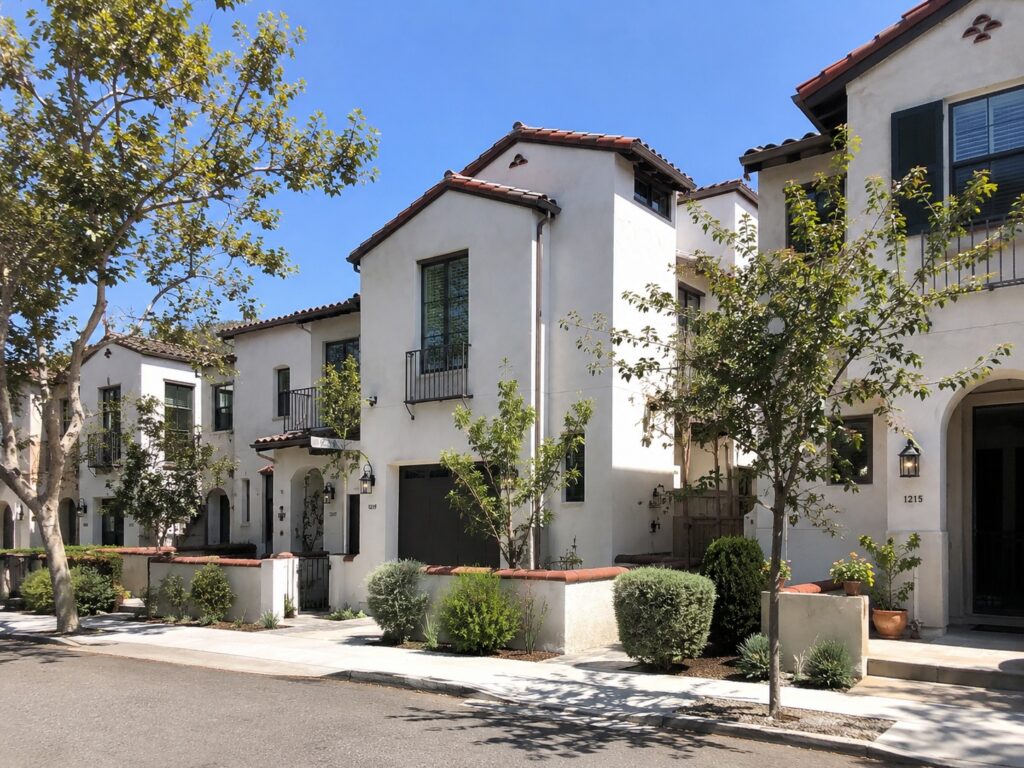
SB 1123 strips away many of the local standards that have historically made dense infill projects difficult to pencil out. Here is what the law allows and prohibits on qualifying single-family lots:
Up to 10 parcels and 10 homes. One subdivision can result in up to 10 individual lots, each with its own home. Each newly created parcel must be at least 1,200 square feet.
No minimum frontage, width, or depth requirements. Cities cannot impose lot dimension standards beyond the 1,200 square foot minimum. This is what makes very small, compact parcels legally viable.
No covered or enclosed parking requirement. Local jurisdictions cannot require garages or carports on these homes. This removes one of the most space-consuming and expensive requirements on small lots.
No setback between units. The law prohibits cities from requiring separation between the individual structures in the project.
Height limits cannot be lower than the surrounding zone. Whatever height is allowed on the block, your new homes can match it.
The homes must average no more than 1,750 square feet of net habitable space, keeping these in the range of what California calls starter homes. Each unit must be connected to water and sewer services.
Does Your Property Qualify for SB 1123 in Santa Barbara?
Not every vacant lot qualifies. The key eligibility requirements are:
The lot must be vacant. Under SB 1123, vacant means no permanent habitable structure. A lot with an abandoned or uninhabitable structure may still qualify.
Single-family zoning. The lot must be zoned for single-family residential development.
No larger than 1.5 acres. The law caps eligible lot size at 1.5 acres.
Substantially surrounded by urban uses. The lot needs to be in an urban context. Most infill lots in Santa Barbara, Goleta, Carpinteria, and surrounding areas will meet this standard.
Not previously subdivided under SB 9 or SB 684. Each parcel can only go through this process once.
Why This Matters in the Santa Barbara Market
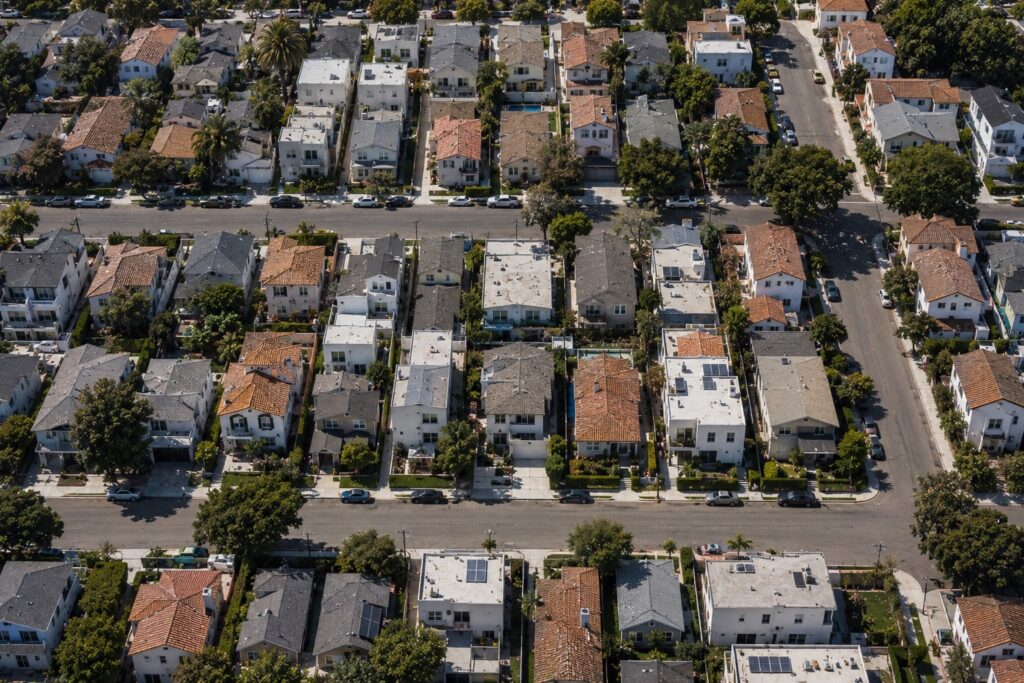
Santa Barbara has some of the most constrained housing inventory in California. Vacant infill lots in single-family neighborhoods have historically sat underdeveloped because the approval process was too uncertain, the cost too high, and the local standards too restrictive to make small-scale projects financially viable.
SB 1123 changes that math. A vacant parcel that might have supported one home can now legally support ten, approved faster and with fewer restrictions than ever before. For property owners, this is a significant increase in development potential and land value. For small builders working in the Santa Barbara market, it opens a category of project that did not practically exist a year ago.
There are still complexities. Santa Barbara’s coastal zone, hillside overlays, and specific zoning designations all affect what is possible on any given parcel. If you are also considering adding an ADU to any of the new units, our ADU permitting services can help you layer that opportunity on top of an SB 1123 project. A feasibility study before purchasing land with this strategy in mind is essential.
Thinking About Using SB 1123 on a Santa Barbara Property?
The eligibility requirements are objective, but evaluating whether a specific parcel qualifies takes local knowledge. Zoning classification, surrounding uses, prior subdivision history, and overlay districts all factor in.
Santa Barbara Permitting offers feasibility consultations specifically for situations like this. We research the property, assess SB 1123 eligibility, flag any constraints, and give you a clear picture of what is and is not possible before you commit to anything. Schedule a free consultation to get started.