
ADU or JADU in Santa Barbara: Which One Fits Your Property?
Posted on June 16, 2026 by SB Permitting
If you are thinking about adding a secondary unit to your Santa Barbara property, you have probably come across two terms: ADU and JADU. They sound similar, and they are both allowed under California law, but they are meaningfully different in terms of size, cost, rules, and who they work best for. Understanding the distinction between ADUs and JADUs in Santa Barbara before you start planning will save you from designing the wrong unit for your property.
What Is an ADU?
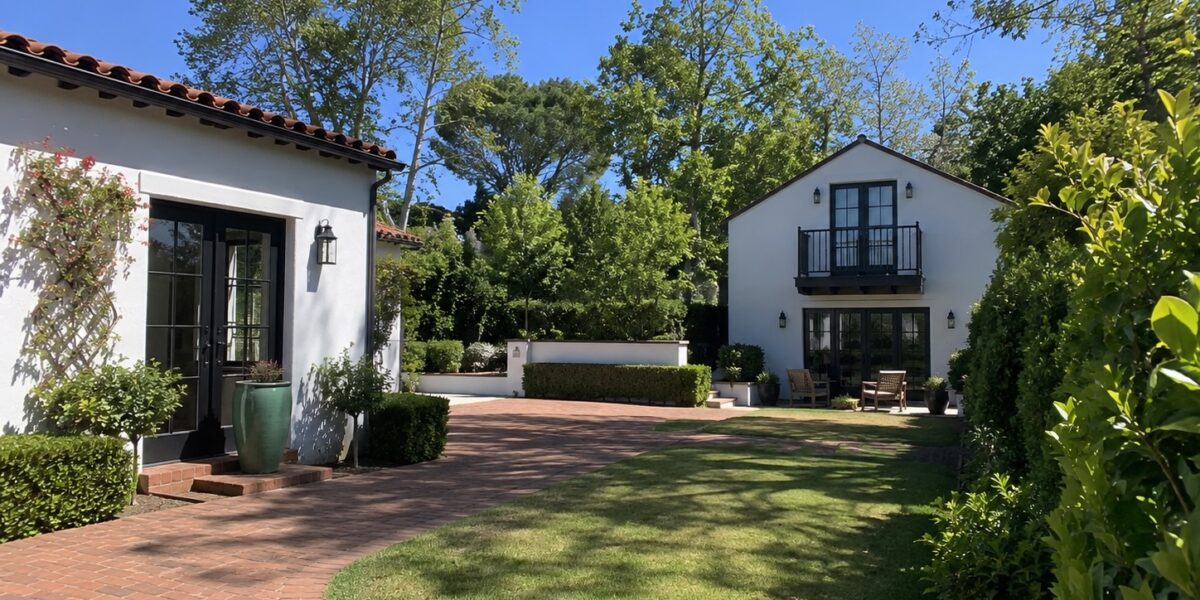
An ADU, or Accessory Dwelling Unit, is a fully independent secondary home on the same lot as your primary residence. It has its own kitchen, its own bathroom, and its own entrance. It functions as a completely self-contained living space, whether attached to the main home, detached in the backyard, or converted from an existing garage or structure.
In Santa Barbara, ADUs are capped at 1,200 square feet. Owner occupancy is not required for ADUs, meaning you can rent out both the main home and the ADU simultaneously if you choose. Most local ordinances require rental terms of at least 31 days, eliminating their use as short term vacation rentals.
ADUs also require their own dedicated utilities. A separate electrical subpanel, HVAC, and water heater are required for ADUs. Separate meters, however, are not required.
What Is a JADU?
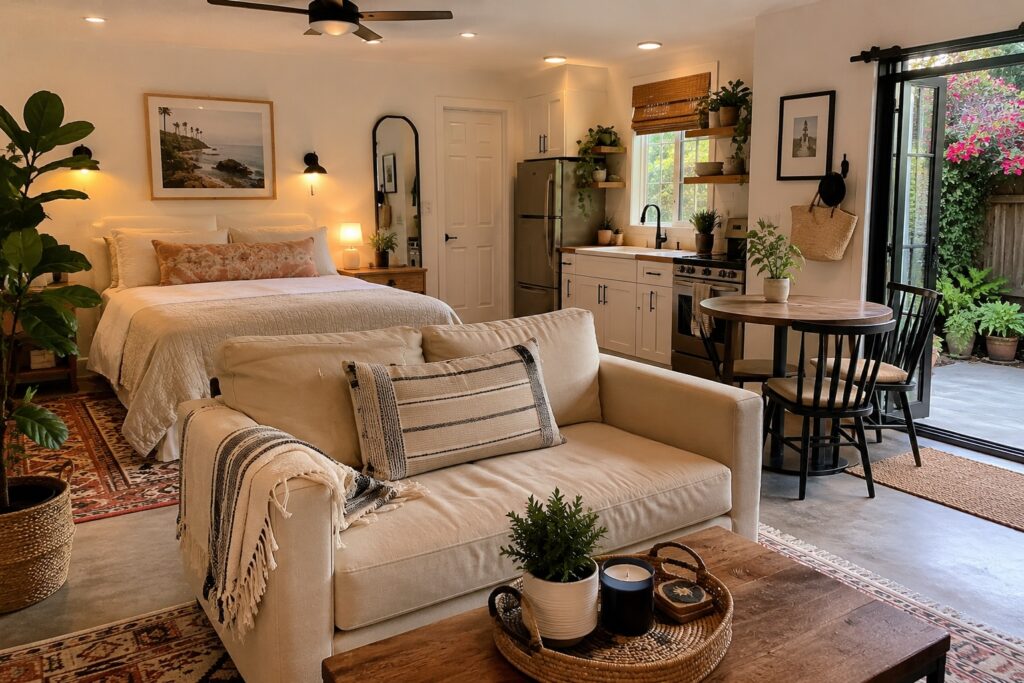
A JADU, or Junior Accessory Dwelling Unit, is a smaller secondary unit built entirely within the existing or proposed walls of the main house. Think a converted bedroom, an interior garage conversion, or a section of the home with its own entrance carved out. A JADU must be within a proposed or existing single-family home or accessory structure and cannot exceed 500 square feet.
The tradeoffs for that smaller footprint are real flexibility advantages. A JADU can share a bathroom with the main dwelling and does not require a one-hour fire and sound separation as ADUs do. A JADU can also share the main dwelling’s furnace and other utilities, which significantly reduces construction cost.
The key restriction with a JADU is owner occupancy. Owner occupancy is required for JADUs, meaning you must live on the property — either in the main home or in the JADU itself — as long as the JADU exists.
ADU vs JADU in Santa Barbara: A Direct Comparison
Here is how the two options stack up side by side:
Size. ADUs can be up to 1,200 square feet. JADUs are capped at 500 square feet.
Location. ADUs can be detached, attached, or converted from existing structures. JADUs must be within the existing or proposed walls of the primary residence.
Kitchen. ADUs require a full kitchen. JADUs only need minimal efficiency kitchen facilities — a sink, small cooktop, and counter space.
Bathroom. ADUs must have their own bathroom. JADUs can share a bathroom with the main home.
Utilities. ADUs need a separate subpanel, HVAC, and water heater. JADUs can share existing systems, which reduces cost considerably.
Owner occupancy. Not required for ADUs. Required for JADUs.
Rental income. Both can be rented long term. Neither can be used as a short term vacation rental in Santa Barbara.
ADU or JADU: Which One Fits Your Santa Barbara Property?
The answer depends on three things: your goals, your budget, and what your property can physically support.
If you want maximum rental income and do not plan to live on the property, an ADU is the better fit. It is a fully independent unit, commands higher rents, and does not require you to be an on-site owner.
If you want a lower cost option and plan to stay in the main home, a JADU is worth serious consideration. Converting interior space into a JADU is significantly less expensive than building a detached structure, and sharing utilities keeps both construction and ongoing costs down. For homeowners who want to house a family member nearby or generate modest rental income without a major construction project, a JADU often makes more sense than a full ADU.
If your property has an existing unpermitted guesthouse or converted space, you may not need to choose between the two at all. Our AB 2533 legalization services may allow you to bring that structure into permitted status without building anything new.
Santa Barbara ADU and JADU: You Can Actually Have Both
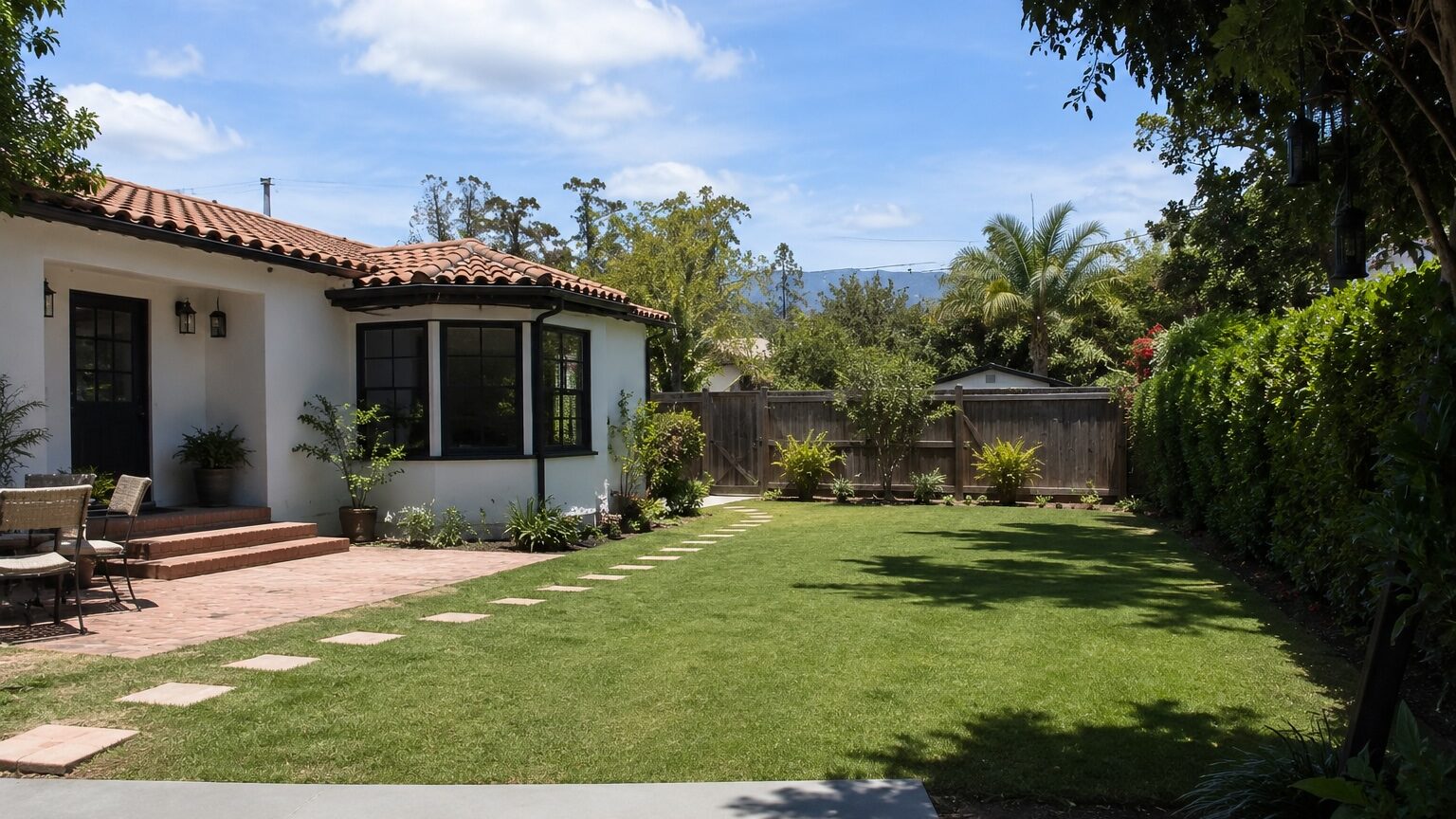
California law allows one ADU and one JADU on the same single-family property. If your lot can support it, you could convert interior space into a JADU while also building a detached ADU in the backyard, giving you two income-generating units on a single parcel. That combination is one of the most effective ways to maximize the value of a Santa Barbara residential lot right now.
Once you decide which direction you want to go, the permit process is the next step. California’s SB 543 now requires cities to respond to ADU and JADU applications within 15 business days, which we covered in depth in our SB 543 breakdown if you want to understand what to expect once you submit.
Not Sure Which One Fits Your Property?
The right choice between an ADU vs JADU in Santa Barbara comes down to your specific lot, your budget, and what you are trying to accomplish. Santa Barbara Permitting offers free consultations to walk through your property, assess what is feasible, and help you figure out which path makes the most sense before you spend anything on design or plans. Reach out to schedule yours today.