
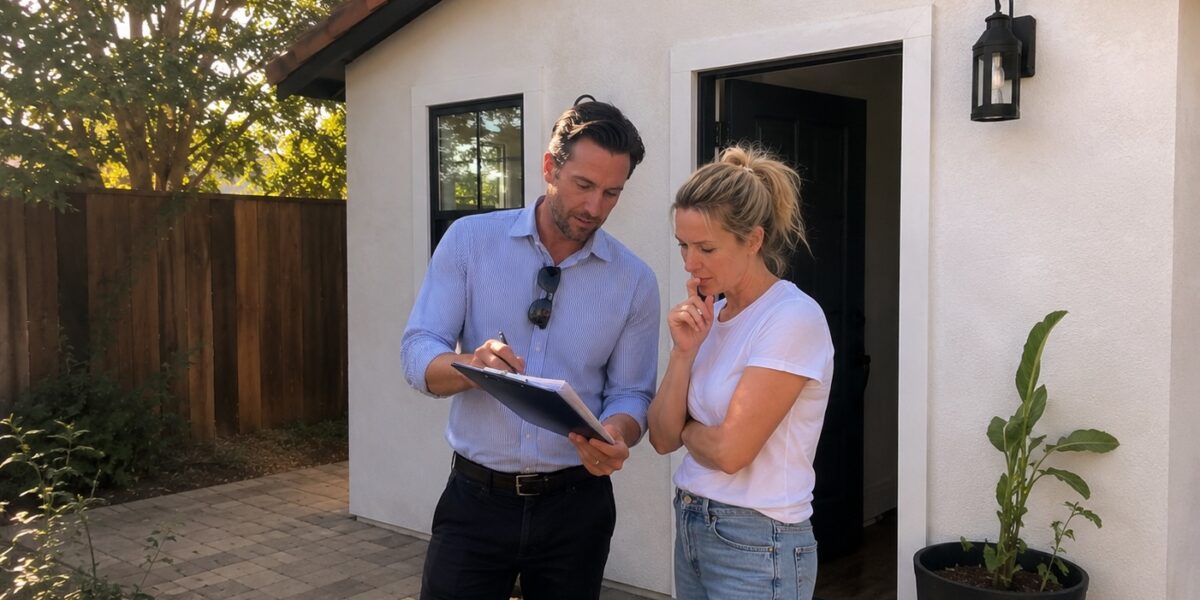
Unpermitted Work Santa Barbara: Buyers & Sellers Guide
Posted on August 18, 2026 by SB Permitting
Unpermitted work in Santa Barbara real estate transactions surface more often than most buyers and sellers expect. In a market with as much older housing stock as Santa Barbara — where guesthouses, garage conversions, and room additions were built for decades before permitting was consistently enforced — discovering unpermitted construction during a sale is a regular occurrence. How you handle it, whether you are the buyer or the seller, can have a significant impact on how smoothly the transaction proceeds and whether unexpected complications arise before closing.
Unpermitted Work in Santa Barbara: What Sellers Need to Disclose
California law is clear on this point. California Civil Code Section 1102 requires sellers of most residential real property to provide statutory transfer disclosures to the buyer through the Transfer Disclosure Statement, commonly called the TDS. A seller must disclose known material facts that affect the property’s value, desirability, safety, or intended use — and unpermitted work and code violations are explicitly included in that category.
In plain terms: if you know about unpermitted work on your property, you are legally required to disclose it. Selling the property as-is does not eliminate that obligation. The as-is designation and the disclosure obligation are separate — both apply.
Since 2023, AB 968 requires sellers of single-family residential properties who accept an offer within 18 months of acquiring title to disclose room additions, structural modifications, alterations, and repairs performed by contractors since they acquired the property. Sellers must also provide copies of permits for the disclosed work when applicable. The law also requires the contractor’s name and contact information for qualifying contracts. These additional disclosure requirements apply to offers accepted on or after July 1, 2024.
Unpermitted Work in Santa Barbara: What Happens When It Is Discovered
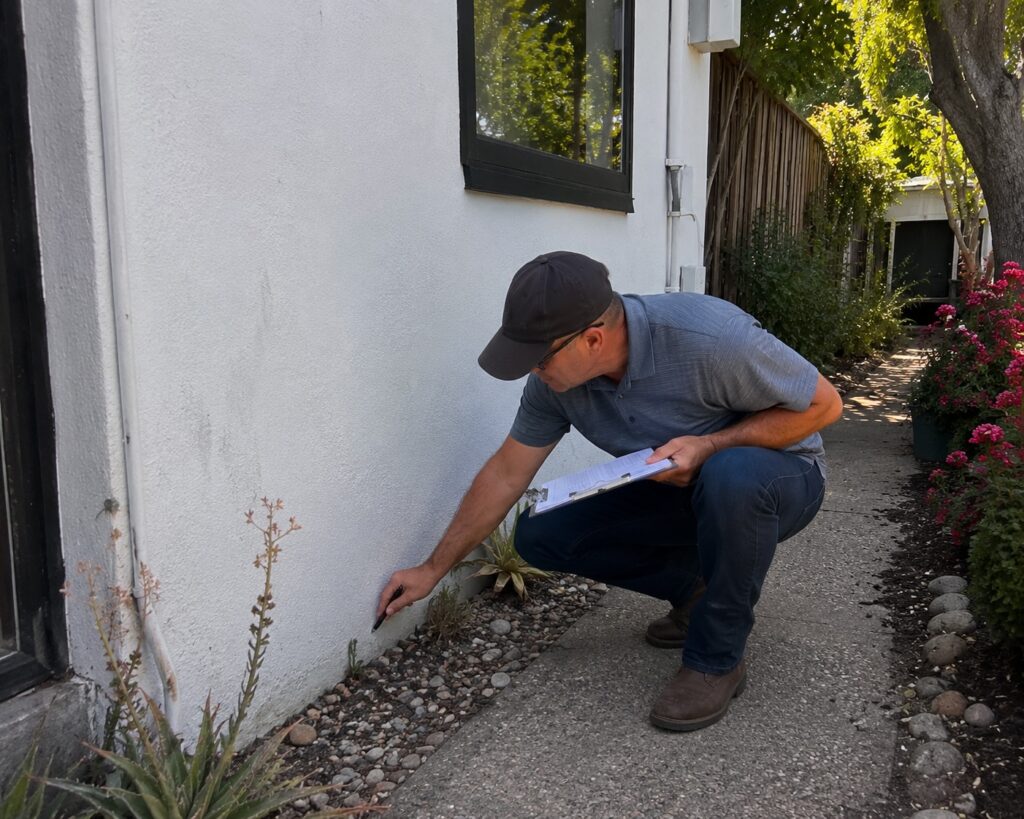
Most unpermitted work in Santa Barbara comes to light in one of three ways: a buyer’s home inspection, a lender’s appraisal, or a permit history search. All three are standard parts of the transaction process, which means unpermitted structures are very rarely hidden successfully.
When a buyer’s inspector identifies unpermitted work, the buyer has several options. They can request the seller legalize the work before closing, request a price reduction or credit to account for the cost of legalization, or walk away from the transaction entirely if the scope is significant enough. Many buyers will negotiate a credit or price reduction when unpermitted work is discovered, and some lenders will not finance properties with significant unpermitted square footage.
That last point is critical for sellers to understand. If a buyer is using conventional financing and the appraiser identifies unpermitted square footage, the lender may exclude that space from the appraised value entirely. A 1,500 square foot home with a 400 square foot unpermitted guesthouse may be appraised and financed as a 1,500 square foot home, directly affecting how much a buyer can borrow and what price the property can realistically close at.
For Sellers: Why Legalizing Unpermitted Work Before You List Matters
The best time to address unpermitted work is before you list, not after a buyer discovers it during escrow. When unpermitted work surfaces mid-transaction, it creates pressure, compressed timelines, and negotiating leverage for the buyer. When it is resolved before listing, you control the process, the timeline, and the outcome.
Legalizing unpermitted work before a sale also has a direct financial upside. A permitted ADU, guesthouse, or addition adds to your property’s appraised value and expands the pool of buyers who can finance the purchase. An unpermitted structure does neither.
For ADUs and guesthouses built before 2020, our AB 2533 legalization services offer a streamlined path to bringing those structures into compliance without full current code compliance requirements. For other types of unpermitted work, a feasibility assessment determines what legalization involves and whether the timeline works within your plans to sell.
For Buyers: How to Protect Yourself From Unpermitted Work
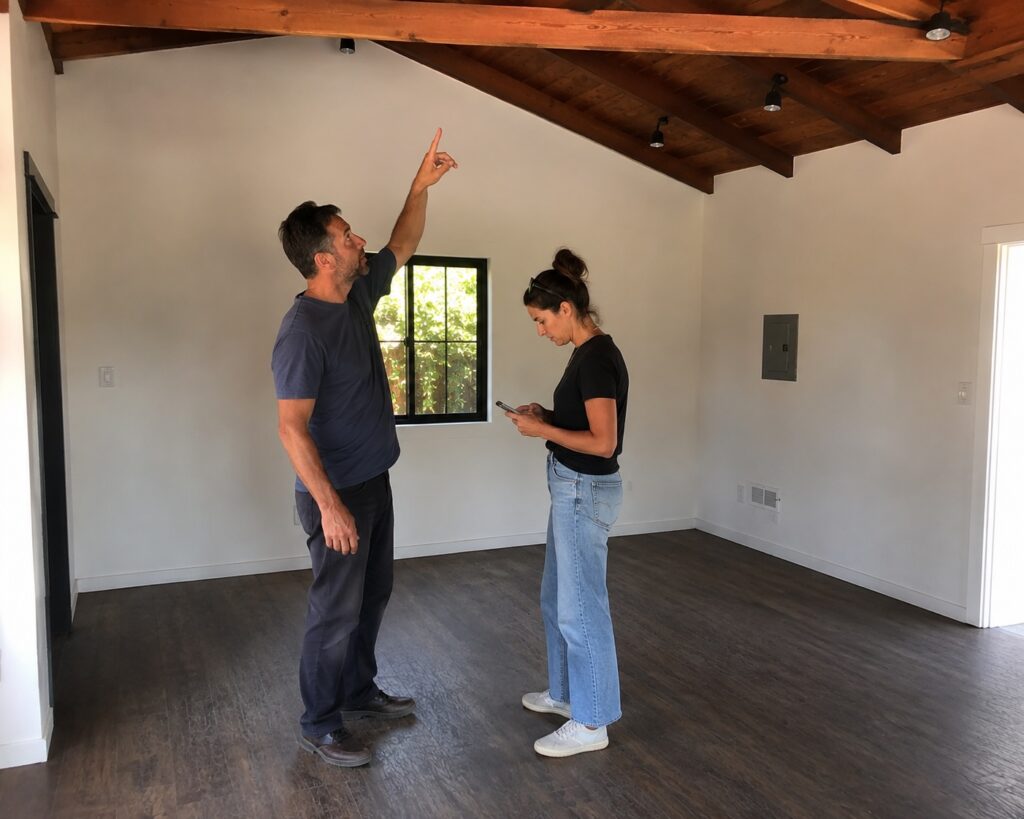
If you are buying a property in Santa Barbara, a permit history search is one of the most valuable steps you can take during due diligence. The City of Santa Barbara and Santa Barbara County both provide online tools for researching permit records. The City of Santa Barbara’s Accela Citizen Access system allows users to search permit and application records by address or parcel number. Santa Barbara County also provides online permit application and archived permit record searches. Cross referencing the permit history against the structures that actually exist on the property tells you immediately whether any construction was done without permits.
Beyond the permit search, pay close attention to your home inspection report. Any structure that appears inconsistent with the original permit history — a finished basement, a converted garage, a detached guesthouse, an added room — warrants a closer look.
If you discover unpermitted work during escrow, get a professional assessment of what legalization involves before you decide how to proceed. Understanding the realistic cost and timeline of bringing the work into compliance gives you the information you need to negotiate a fair resolution with the seller rather than guessing at a credit amount.
What Happens If the Violation Is Already Active
If the unpermitted work has already triggered a code violation notice from the City or County, that is a more urgent situation for both parties. An active enforcement case creates a lien risk on the property and must typically be resolved before or during a sale. A code enforcement lien stays on the title and has to be dealt with before or during a sale — for any conventional transaction, this lien must be removed prior to closing.
Santa Barbara Permitting manages enforcement case resolution alongside the permitting and legalization process, so both issues can be addressed as part of a coordinated compliance strategy rather than separately.
Thinking About Selling or Buying a Property With Unpermitted Work?
Whether you are a seller trying to get ahead of an issue before listing, or a buyer trying to understand what you are taking on, the permitting side of this problem is navigable with the right help. Santa Barbara Permitting offers free consultations to assess unpermitted structures, determine the best legalization pathway, and give you a realistic picture of what resolution involves. Reach out before the transaction gets complicated.